About Event Power in Washington
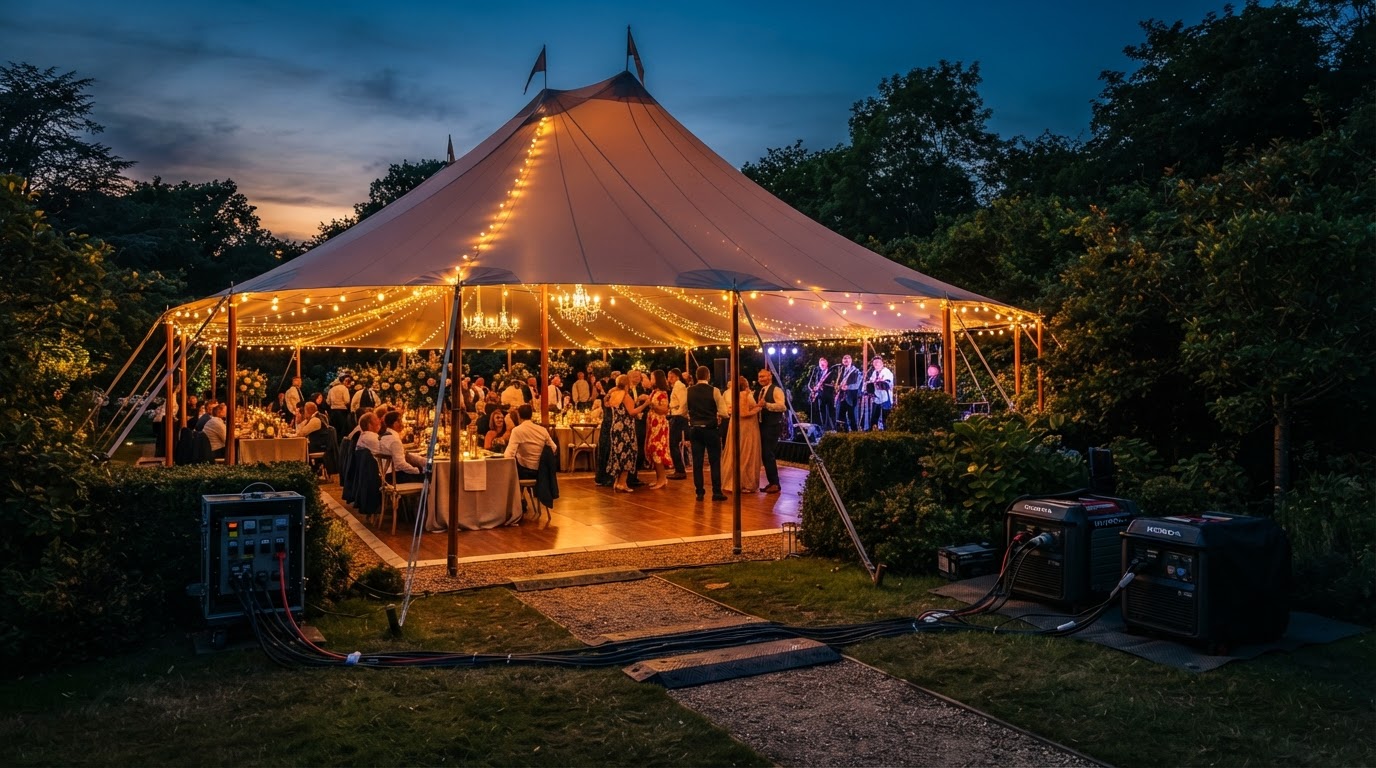
Events in Washington draw on the full range of temporary event power — quiet inverter generators for noise-sensitive weddings and corporate galas, towable diesel generators for festival stages and vendor villages, and distribution gear that safely carries that power across the site. Mild, wet winters and comfortable summers extend the outdoor event season on both coasts and inland waterways. Rain is a planning factor throughout the year, so weather-rated distribution, covered cable runs, and sound-attenuated generators placed out of prevailing wind keep events running whatever the sky delivers.
Coastal events — beach weddings, waterfront festivals, harbor-side productions — pair salt air and open space with wind and tide logistics. Weather-rated, GFCI-protected distribution, sound-attenuated generators placed out of prevailing wind, and corrosion-aware staging keep the power running at the water's edge. In the United States, outdoor event power generally falls under local electrical permitting, the National Electrical Code (NFPA 70), and — for larger temporary installations — Article 590 on temporary wiring. Confirm permitting, bonding, and grounding requirements with the authority having jurisdiction at your venue, and schedule any required inspections before load-in.
When comparing providers, ask about delivery and teardown, on-site technicians, fuel-included pricing for multi-day events, and the equipment they stock: quiet or inverter units, towable diesel, spider boxes and camlock distribution, cable and ramps, and backup or UPS options for critical loads. A capable Washington event power partner sizes the generator to your load rather than upselling an oversized unit, and treats power as a managed service from delivery through teardown.